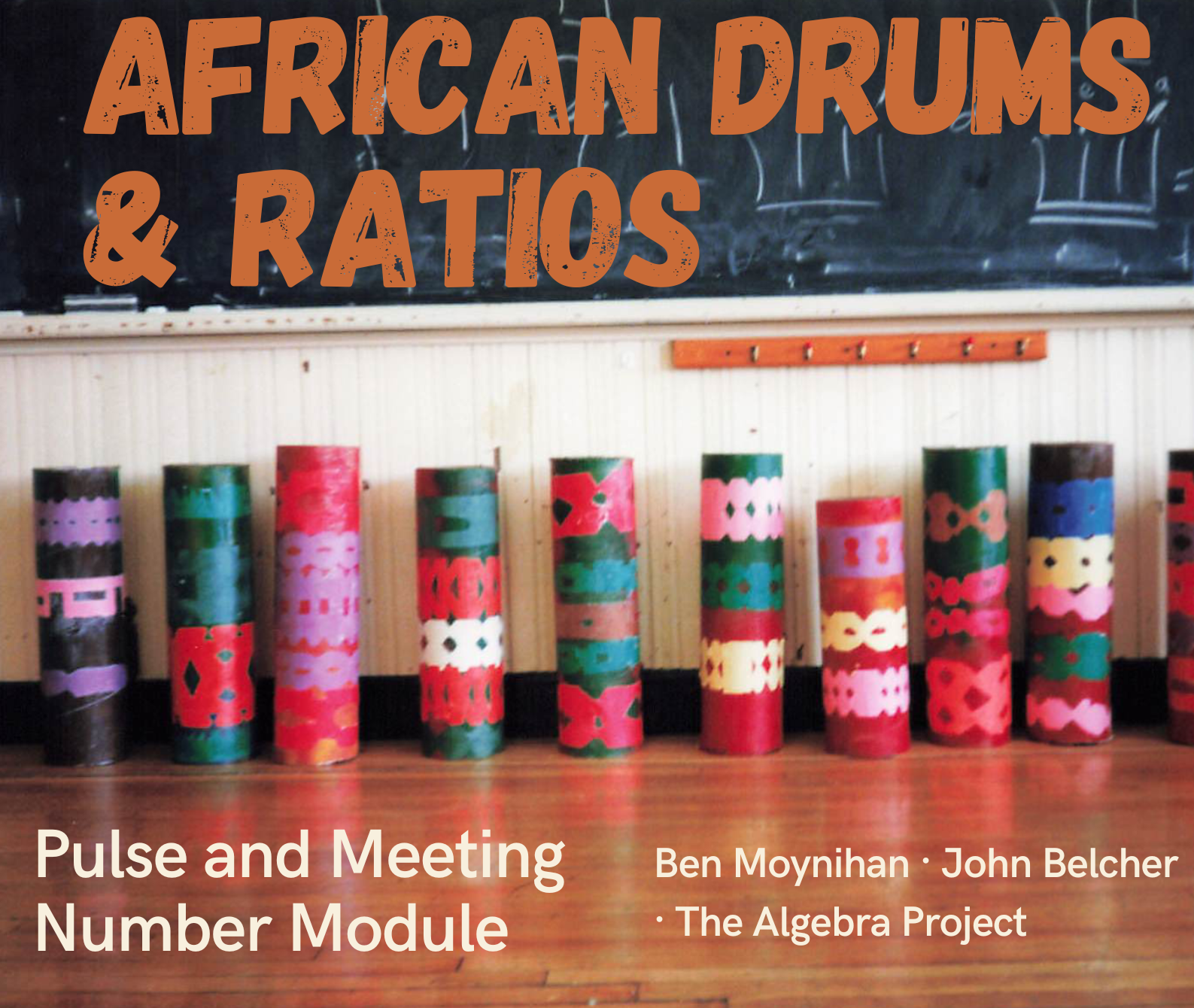
African Drums & Ratios Curriculum
Audio from the Chapter
Alignment of Forces/Purposes
Learn more about this audio file here
Expansions, Combinations, Contractions
The 5th track from the Sound According to John. It follows the Pulse and Meeting Number harmonic rhythms you just listened to, but far more complex. From John, “This piece wouldn’t let me record it until I got the structure right. Equipment kept malfunctioning each time I went to the studio until I got clear about how to organize the composition. I use a “rhythm ruler” structure, which serves as a basis for expanding, combining, and contracting time patterns.” This piece was premiered at the 1985 Rhode Island Composers Forum. Click here to view the original score sheet.
Tin can drums, cardboard tube drum, cowbell, temple block, handclaps: John Belcher
JB Music, 1985
Recorded at Orwig Music Studio, Brown University; Recording Engineer, Maurice Methot
Mali Sound Collage
From the chapter, “We were invited to participate in a teacher and youth leadership conference at the Institut pour l’Éducation Populaire (IEP) (the Institute for Popular Education), an independent primary and secondary school in Kati, Mali, January 13-26, 1999.” This collage is an edited selection of field recordings. “We gave presentations on the Algebra Project’s experiential approach to math education with examples informed by AD&RC lesson and activities. We received valuable feedback on the AD&RC with respect to our use of AAD cultural content and were able to research additional resources for interdisciplinary and multicultural curriculum development. Upon our return home, we initiated a sister school relationship between Ciwarra School in Kati and Young Achievers Mathematics and Science School in Boston. In 2000, Young Achievers hosted a visit from IEP co-founder/director Maria Diarra Keita and co-founder/technical advisor Deborah Fredo, along with a representative from the Mali Ministry of Education. Also, IEP adapted versions of AD&RC lessons that we had provided during our visit, and continued to implement them.”
The Hunter Society (Les Chasseurs)
Pulse and Meeting Number (4-cycle, 3-cycle)
A fun recreation with John’s granddaughter, Cassie, to demonstrate a meeting number activity, not an actual classroom sample.
Balanced Forces
The 7th track from the Sound According to John. It also explores harmonic rhythms. From John, “This composition is based upon a 300 beat cycle formed by 26 different pulses (including two opposing “diagonal” pulses played by a bass roto-tom and bell tree). I use spoken syllables for some of the pulses that eventually come together to form the phrase “lovely unified sphere” just before the place in the composition where all of the pulses align – beat # 601, which is also the center of gravity of the composition. This piece was composed for Everett Dance Theatre’s Pandora Restaurant, which premiered at New York’s Dance Theater Workshop in 1990. Click here to view the original score sheet.
Percussion and voices: John Belcher
JB Music, 1990
Recorded at Celebration Sounds Recording Studio; Recording Engineer, Ken Carpenter
Jatibola Dunufola, Anwe
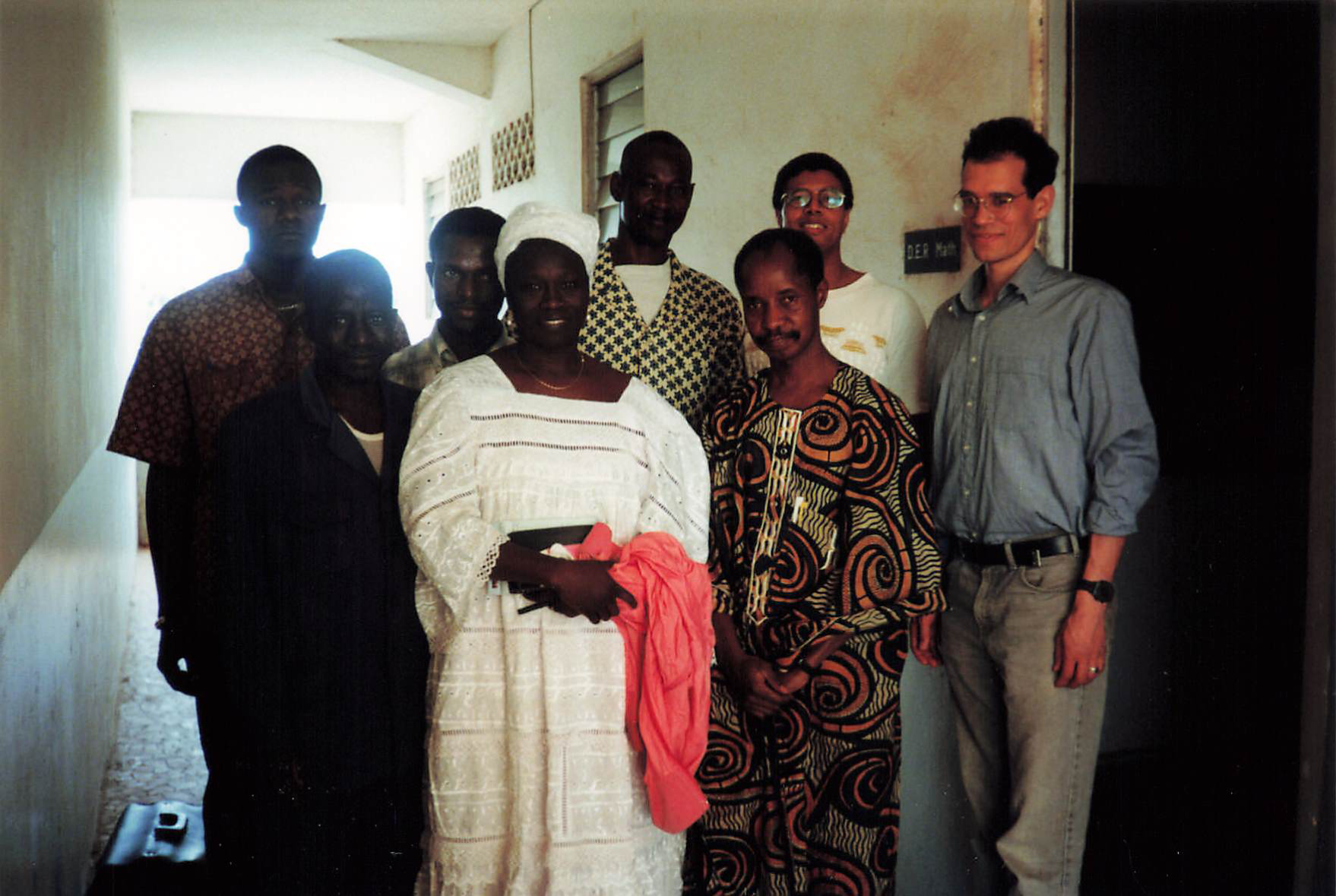
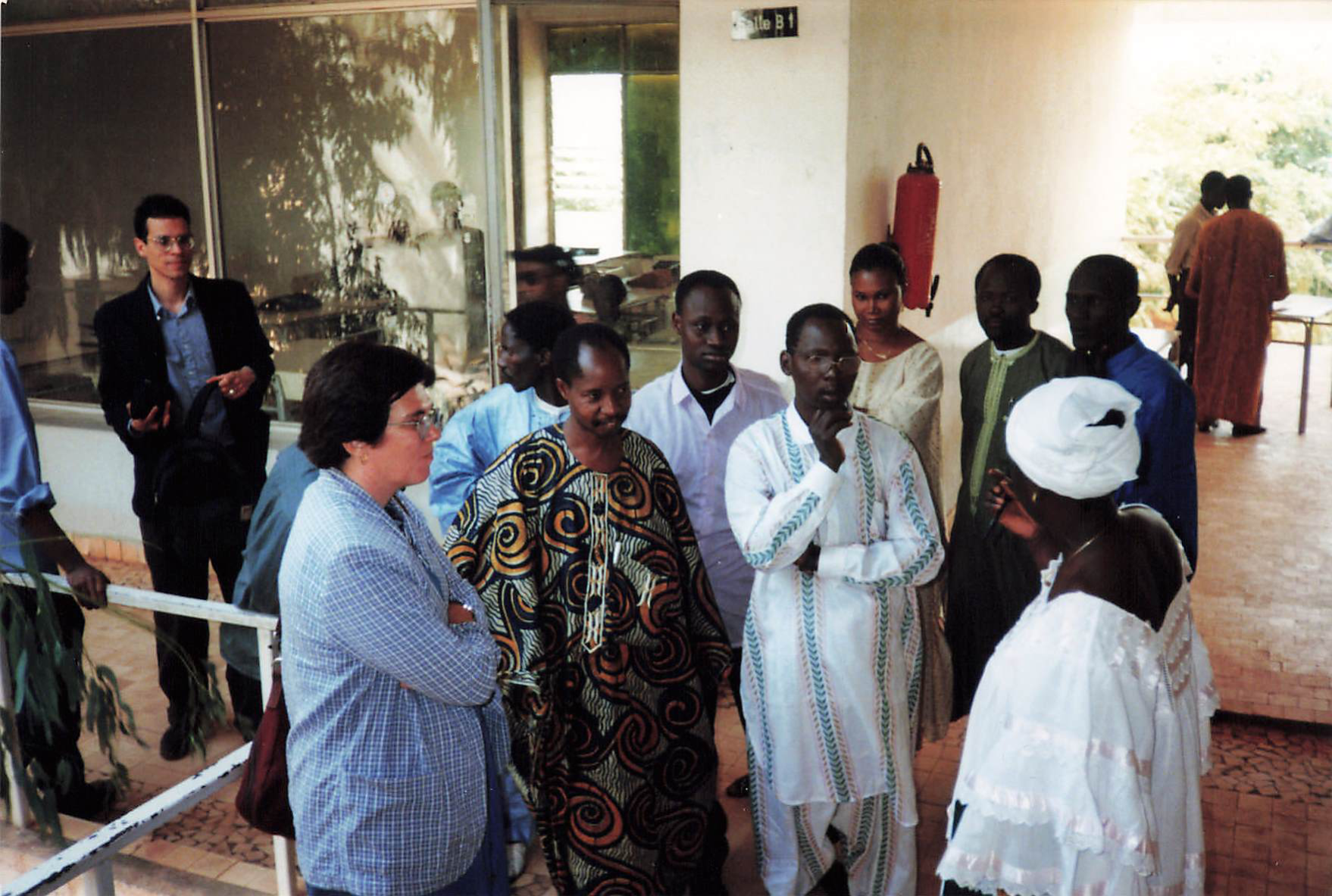
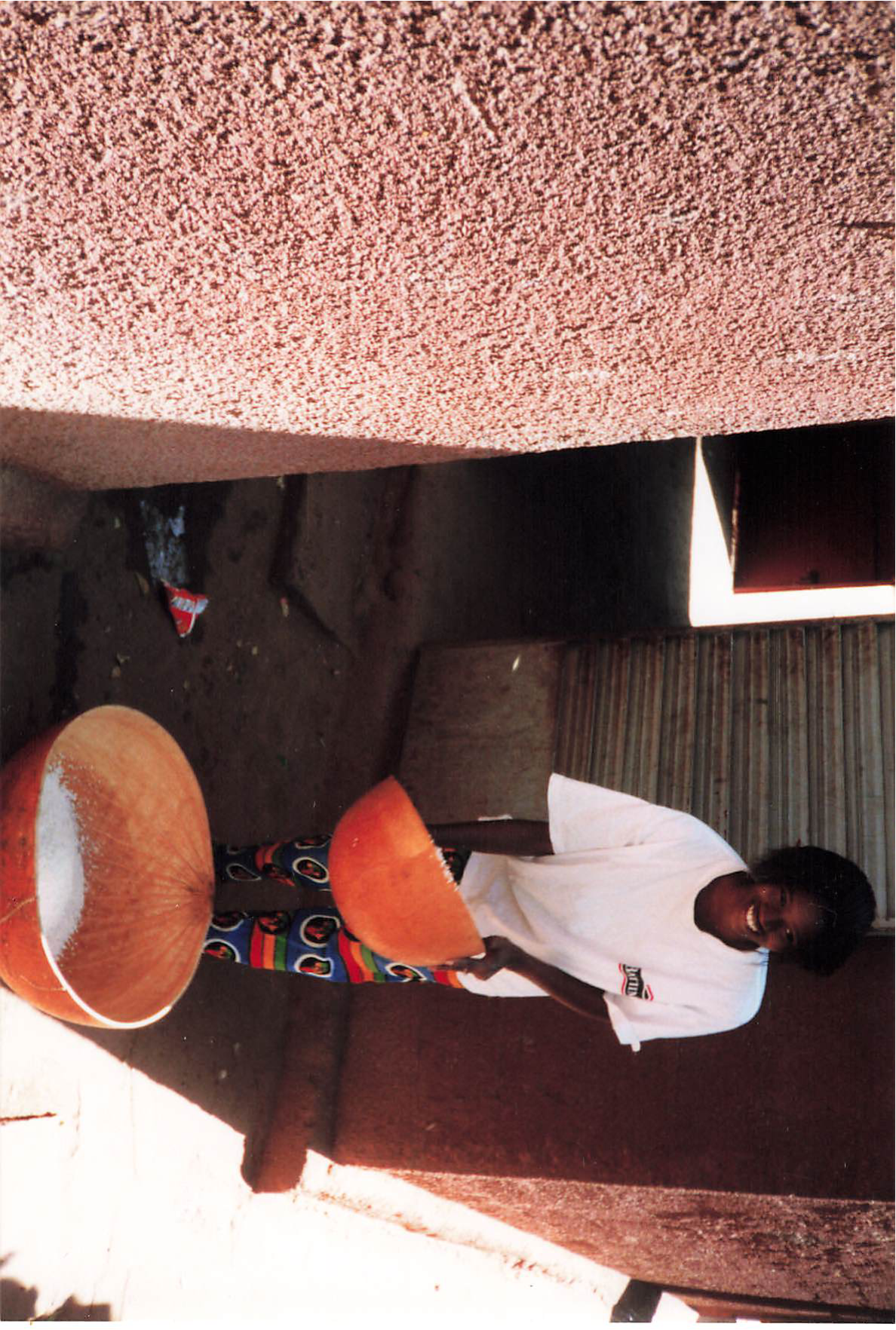
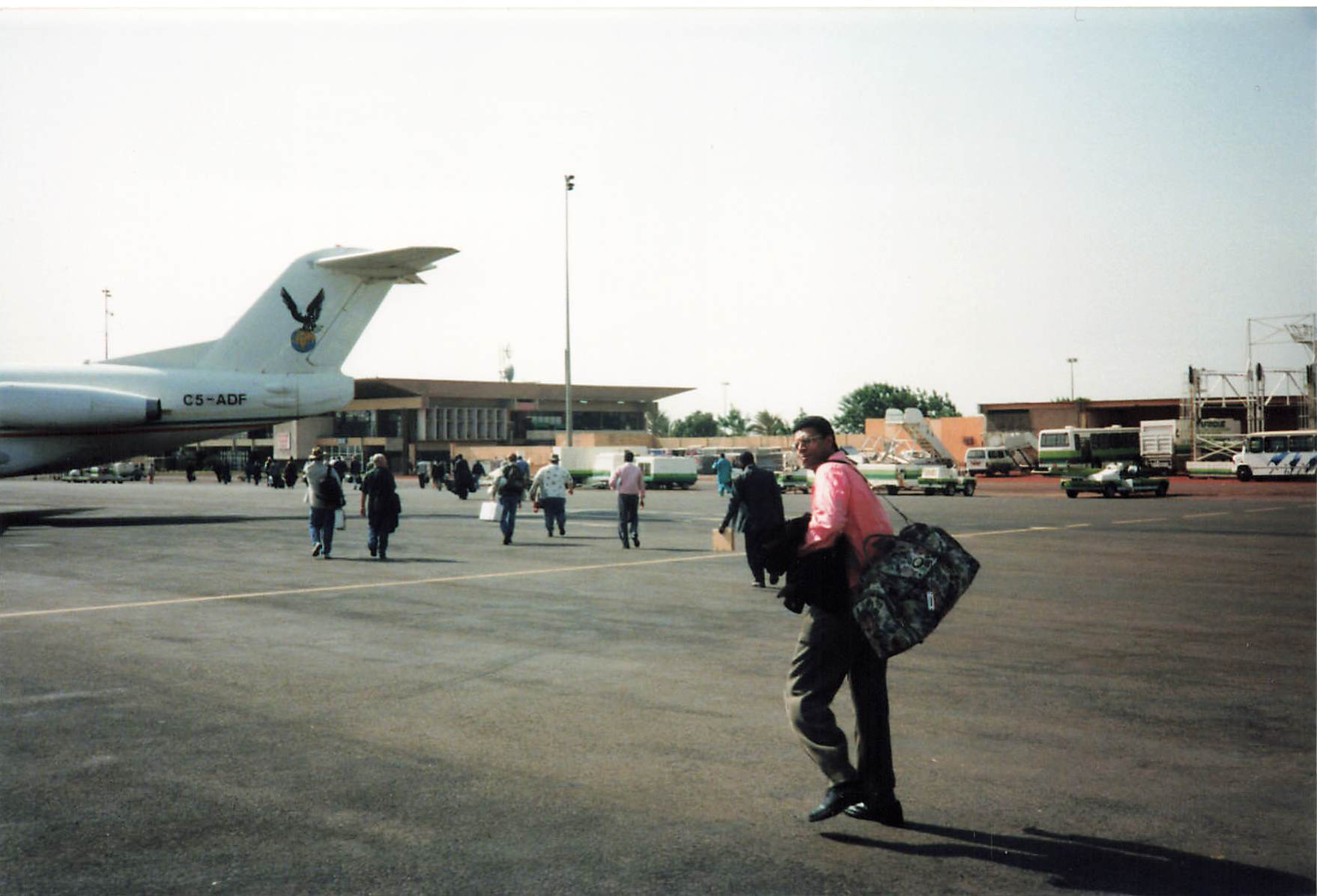
Photos from Mali
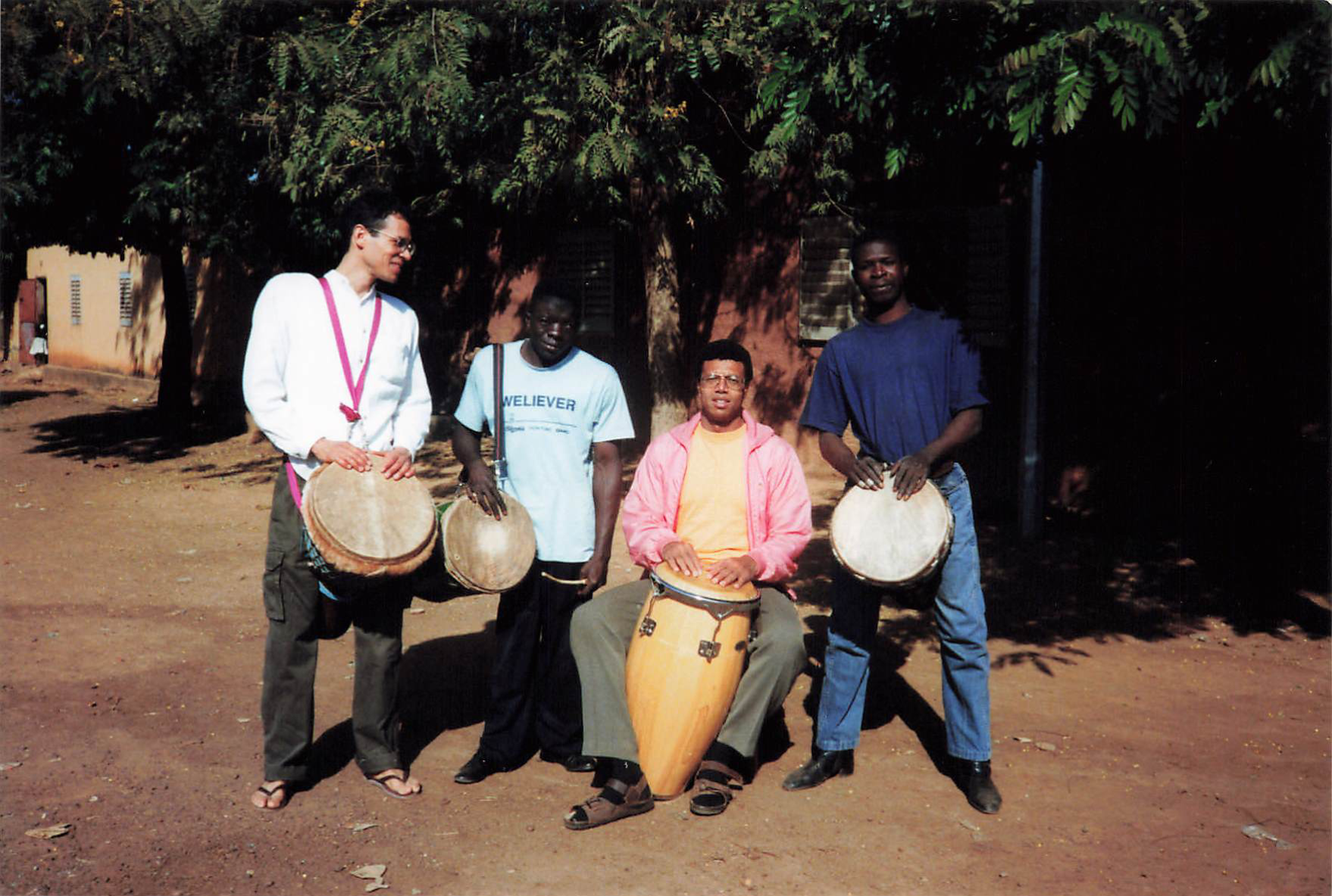
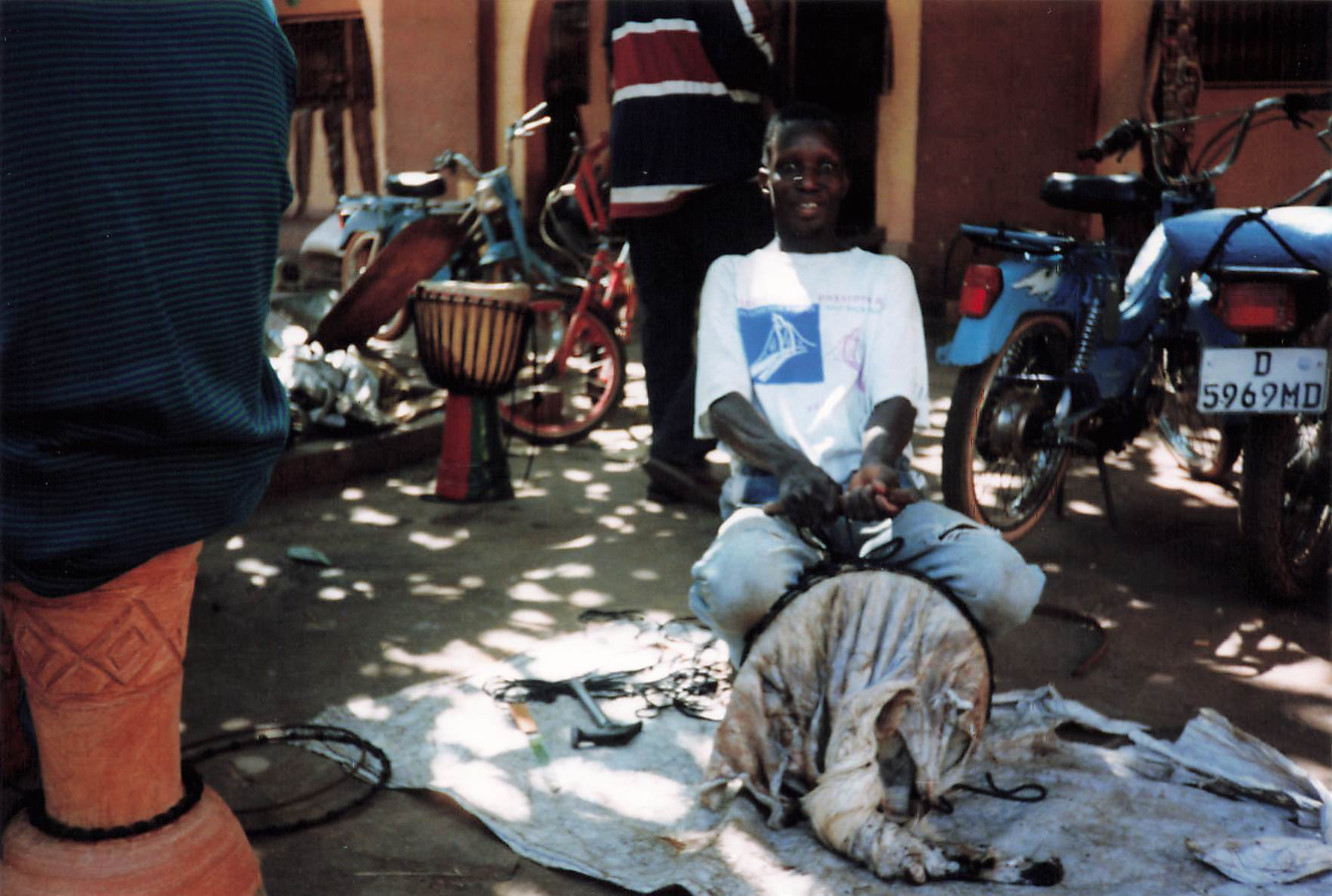
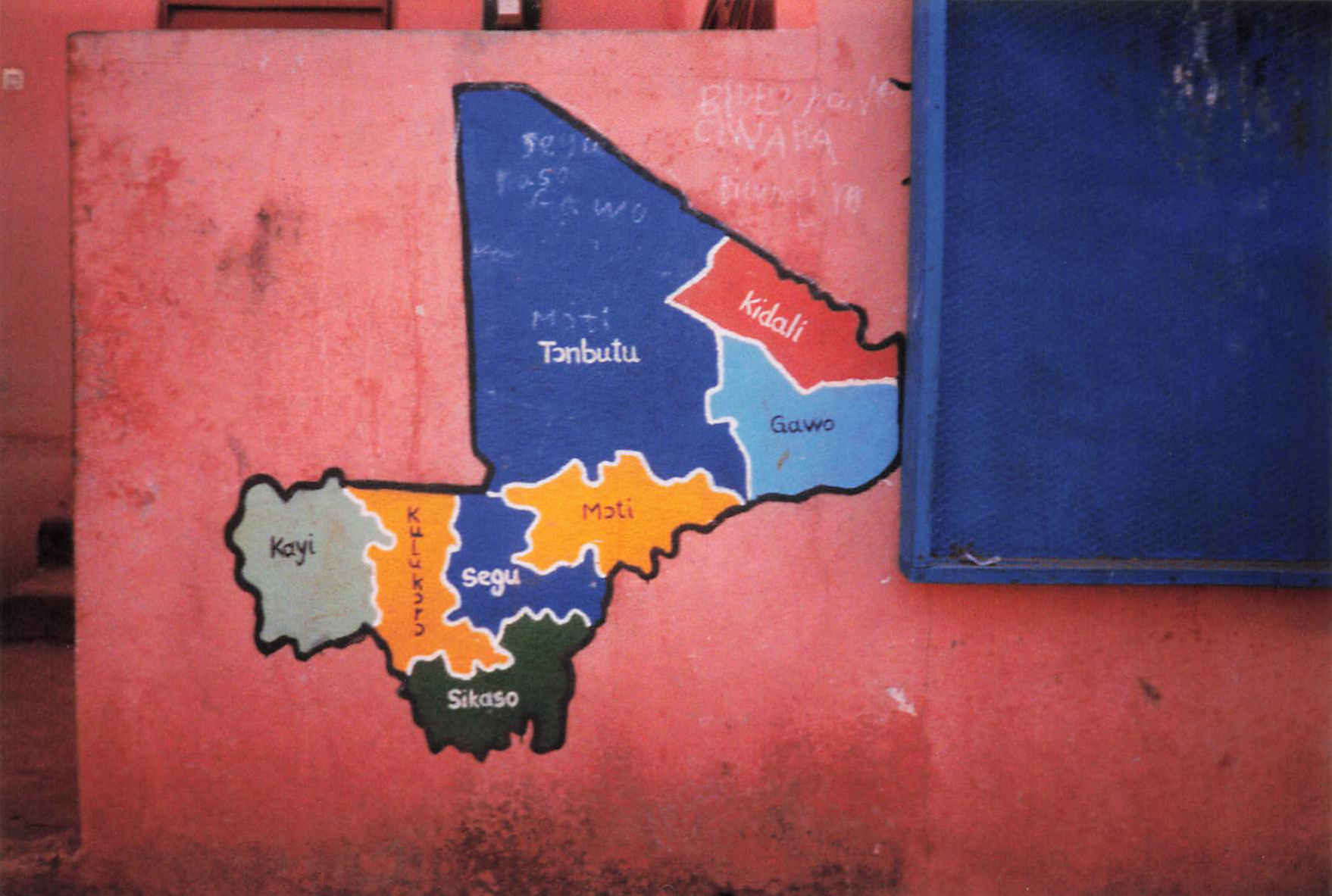
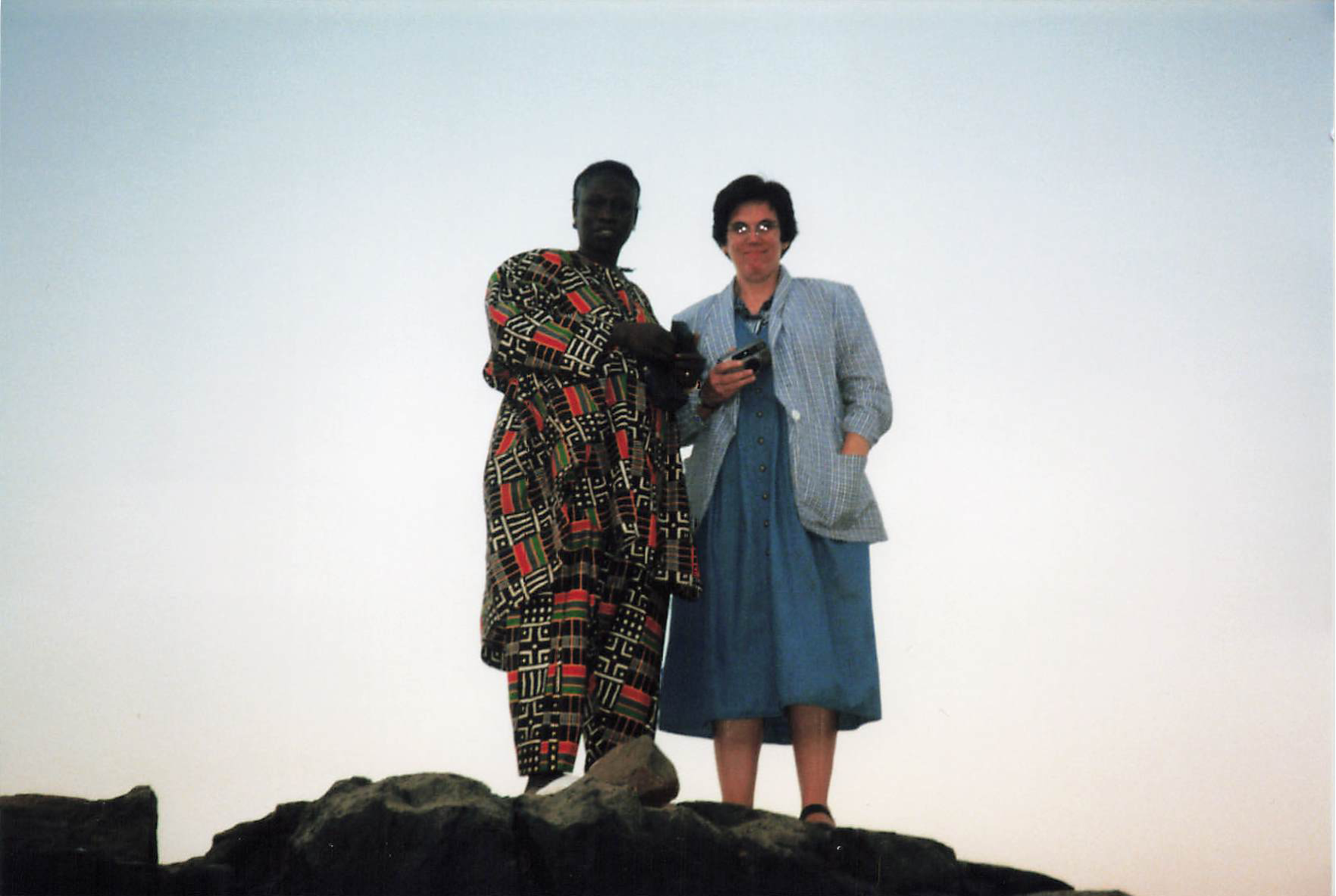
Mali: January 13th – 26th, 1999; “We were invited to participate in a teacher and youth leadership conference at the Institut pour l’Éducation Populaire (IEP) (the Institute for Popular Education), an independent primary and secondary school in Kati, Mali, January 13-26, 1999.”

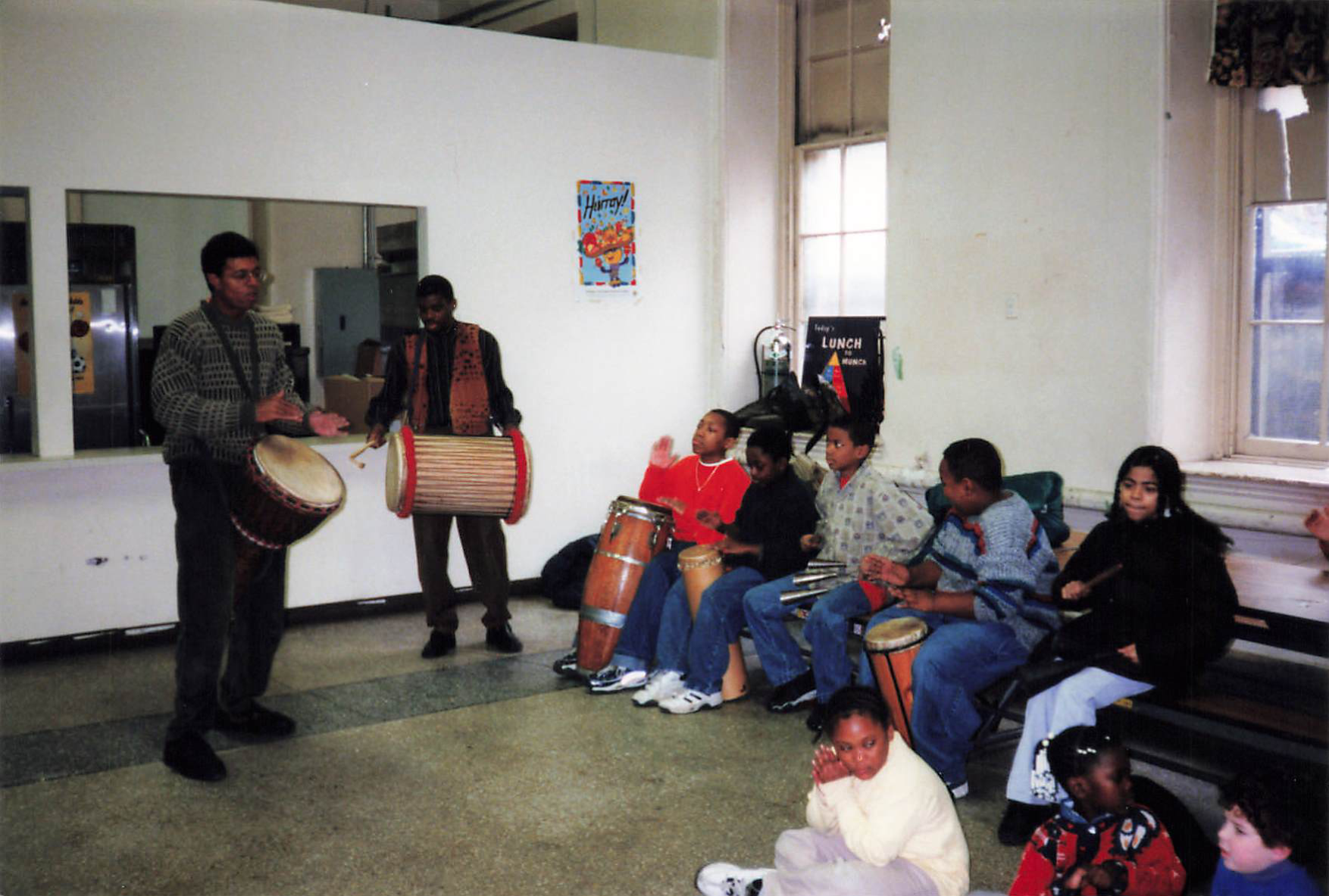
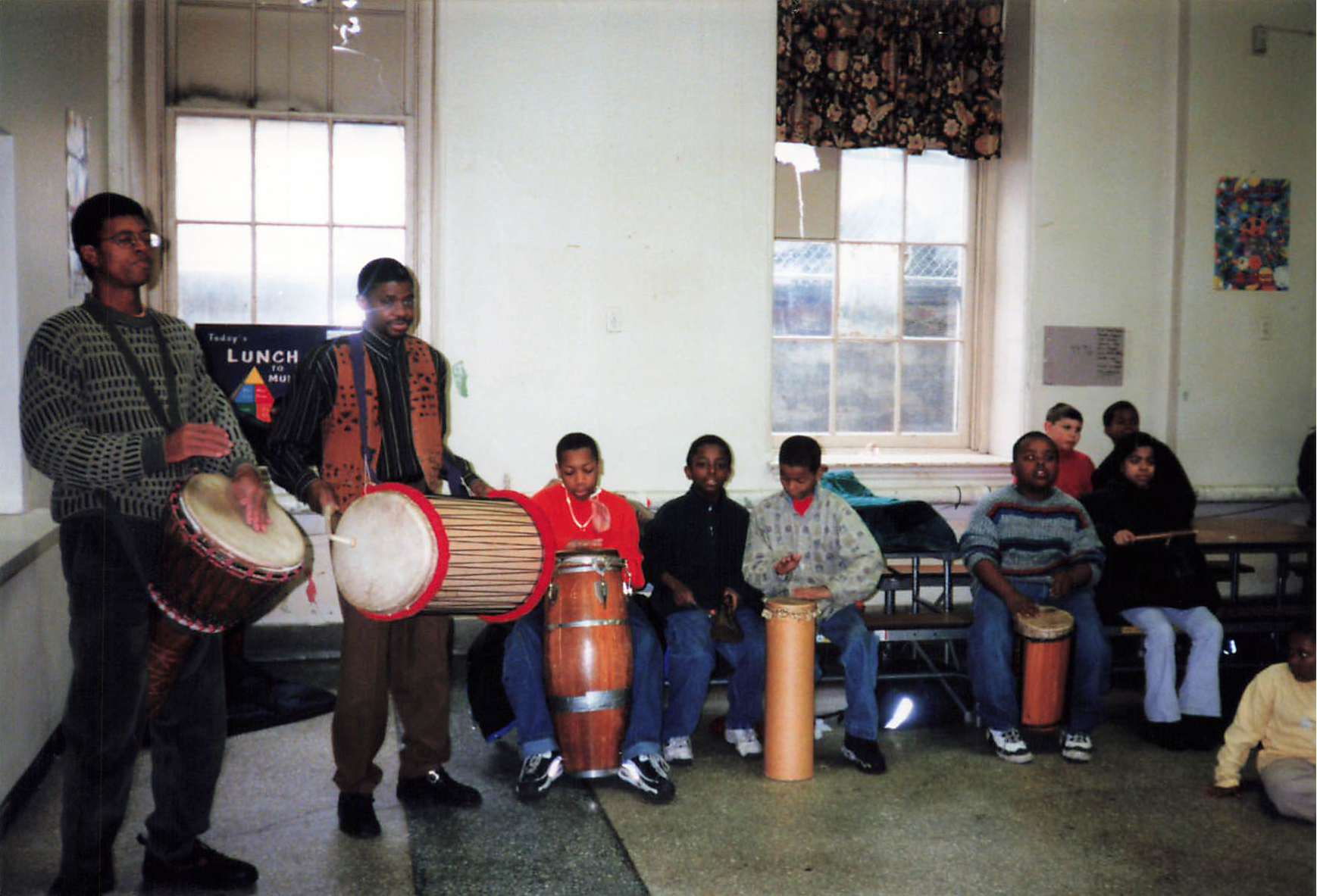
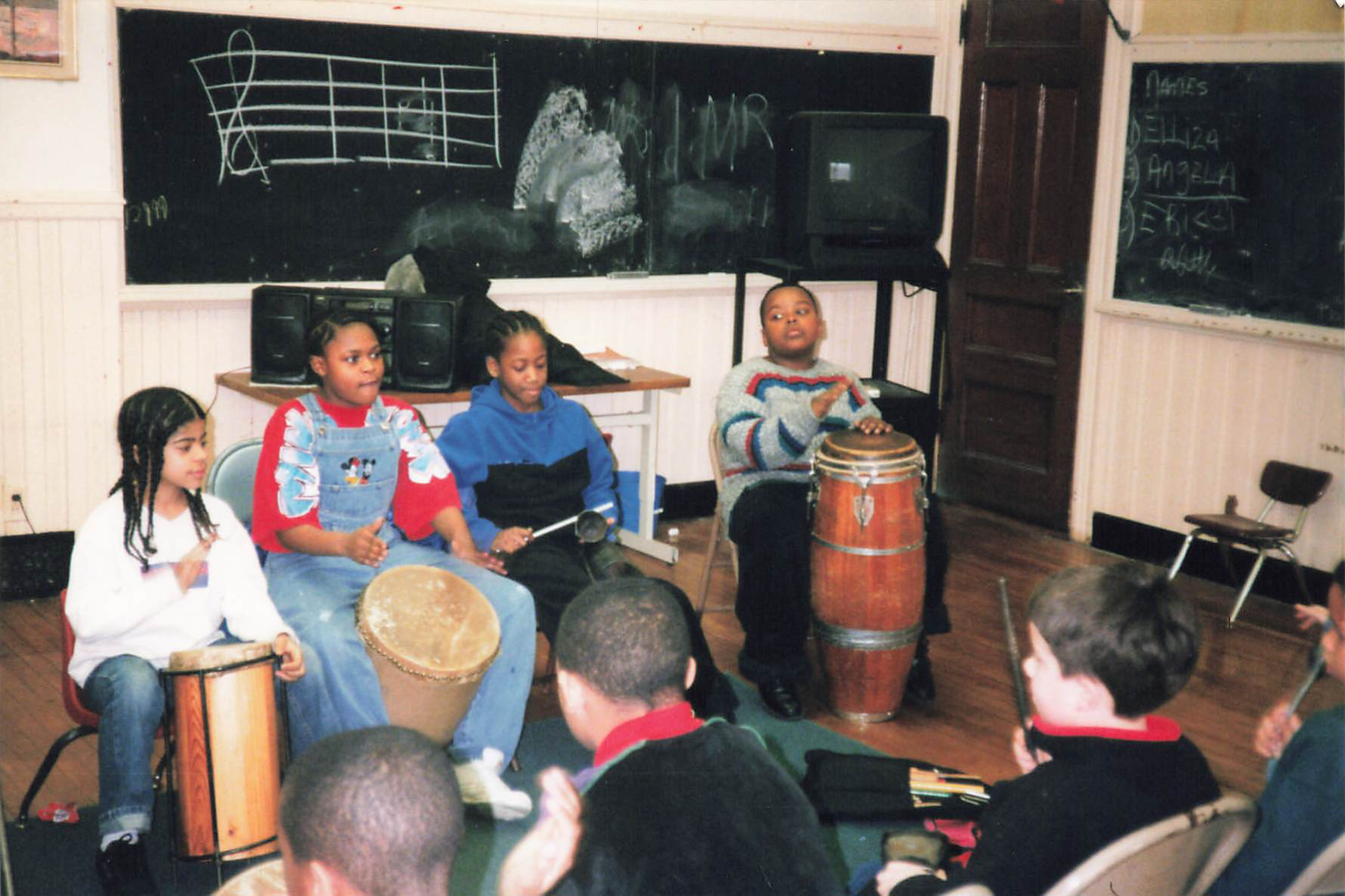
Photos from Young Achievers
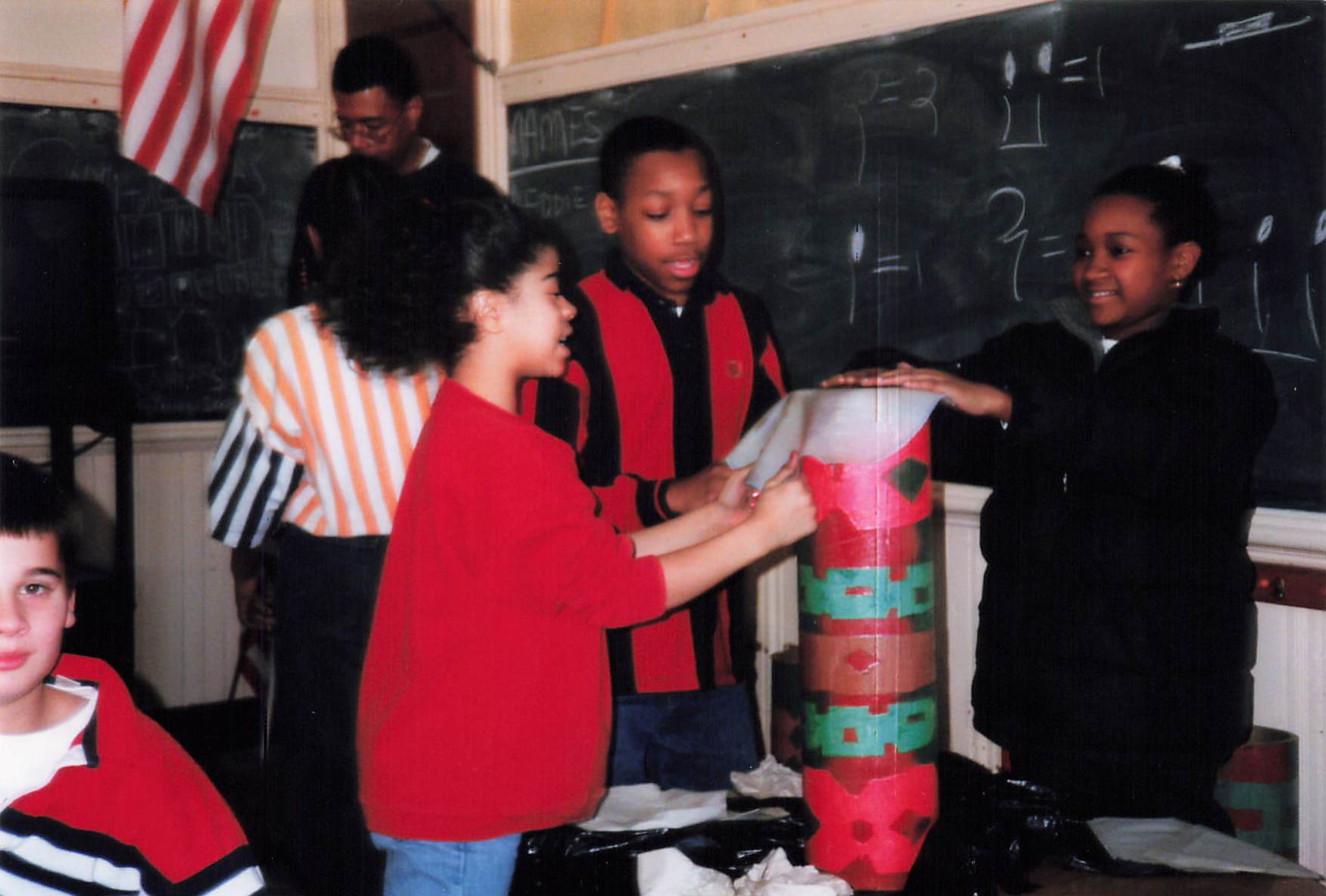
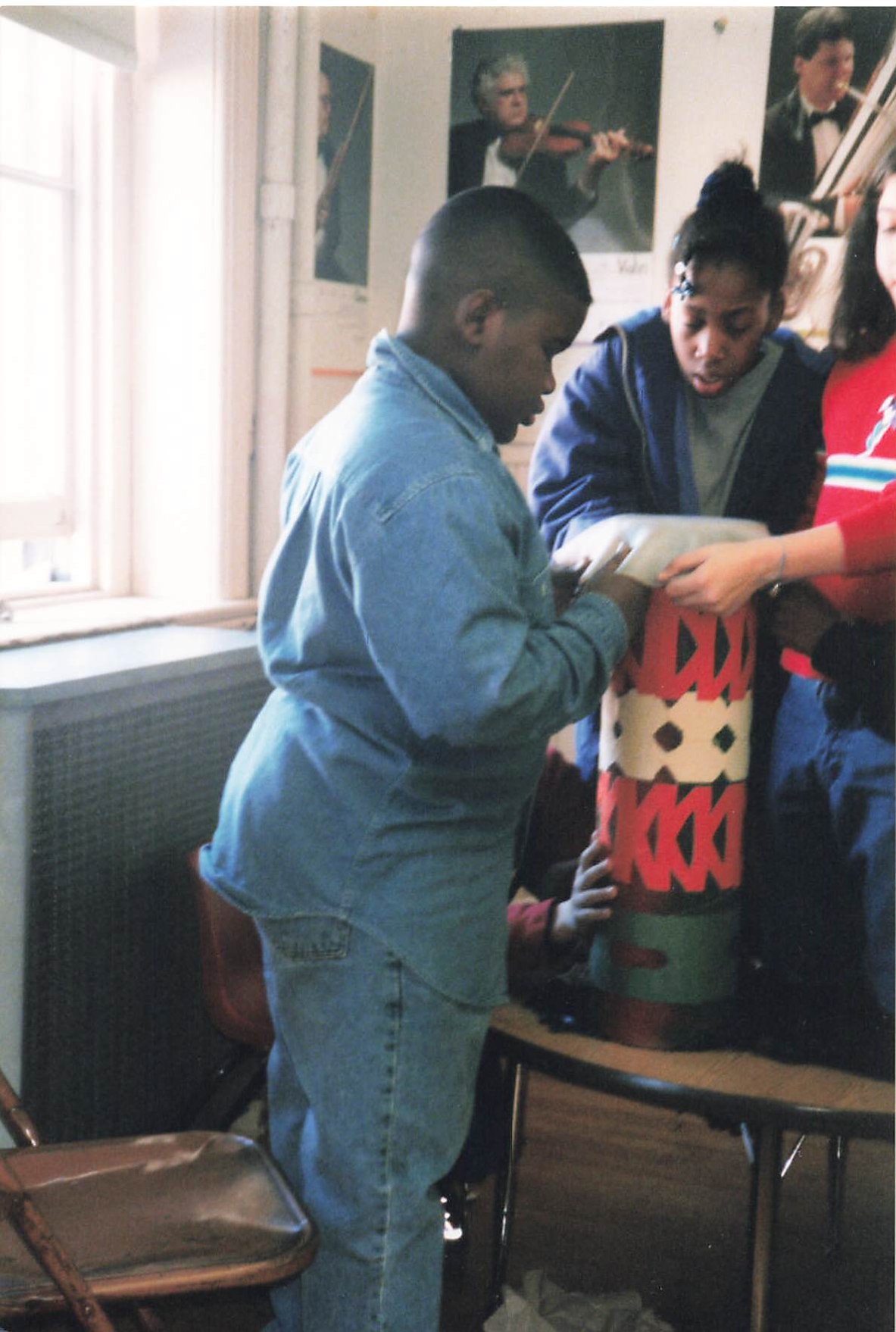
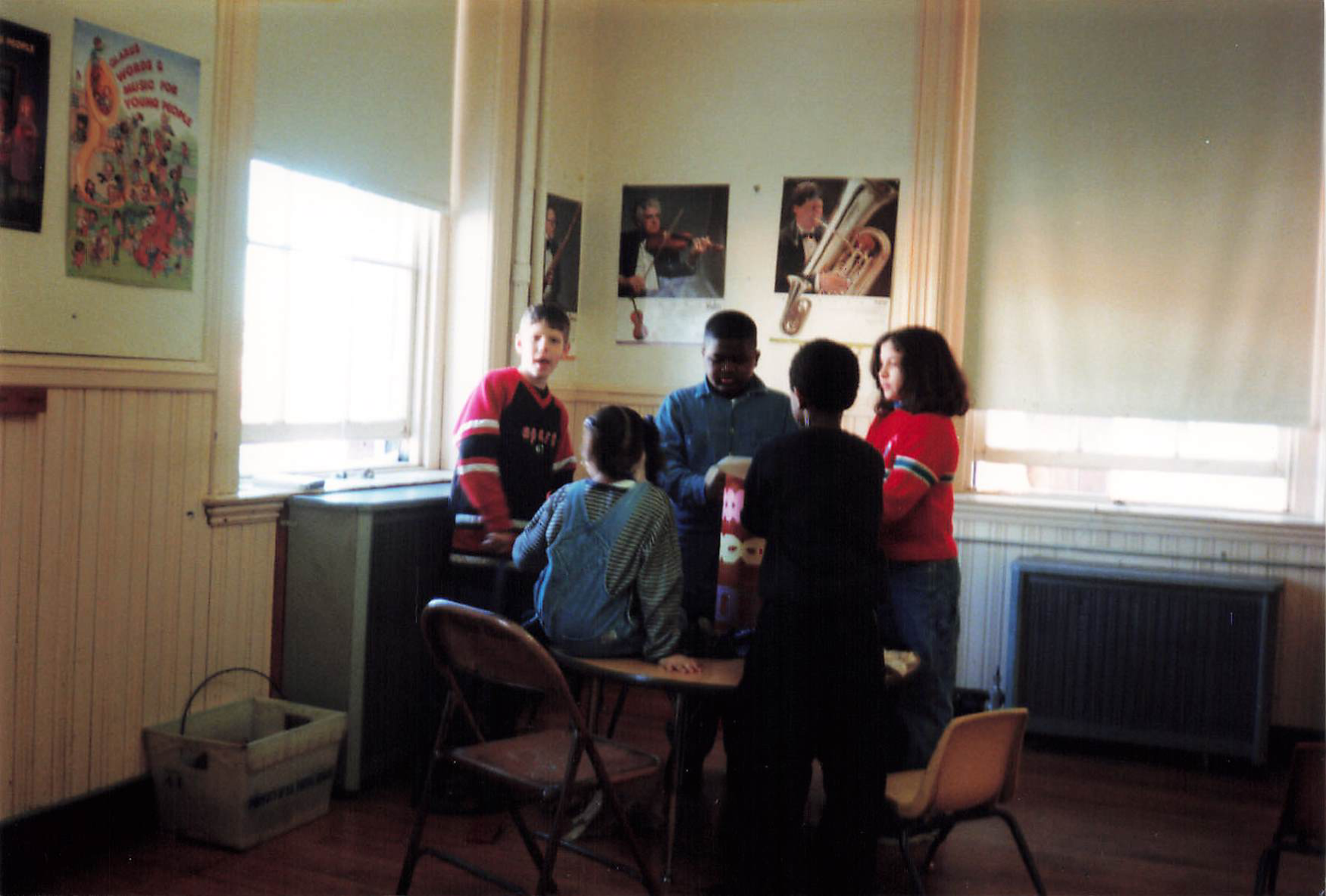
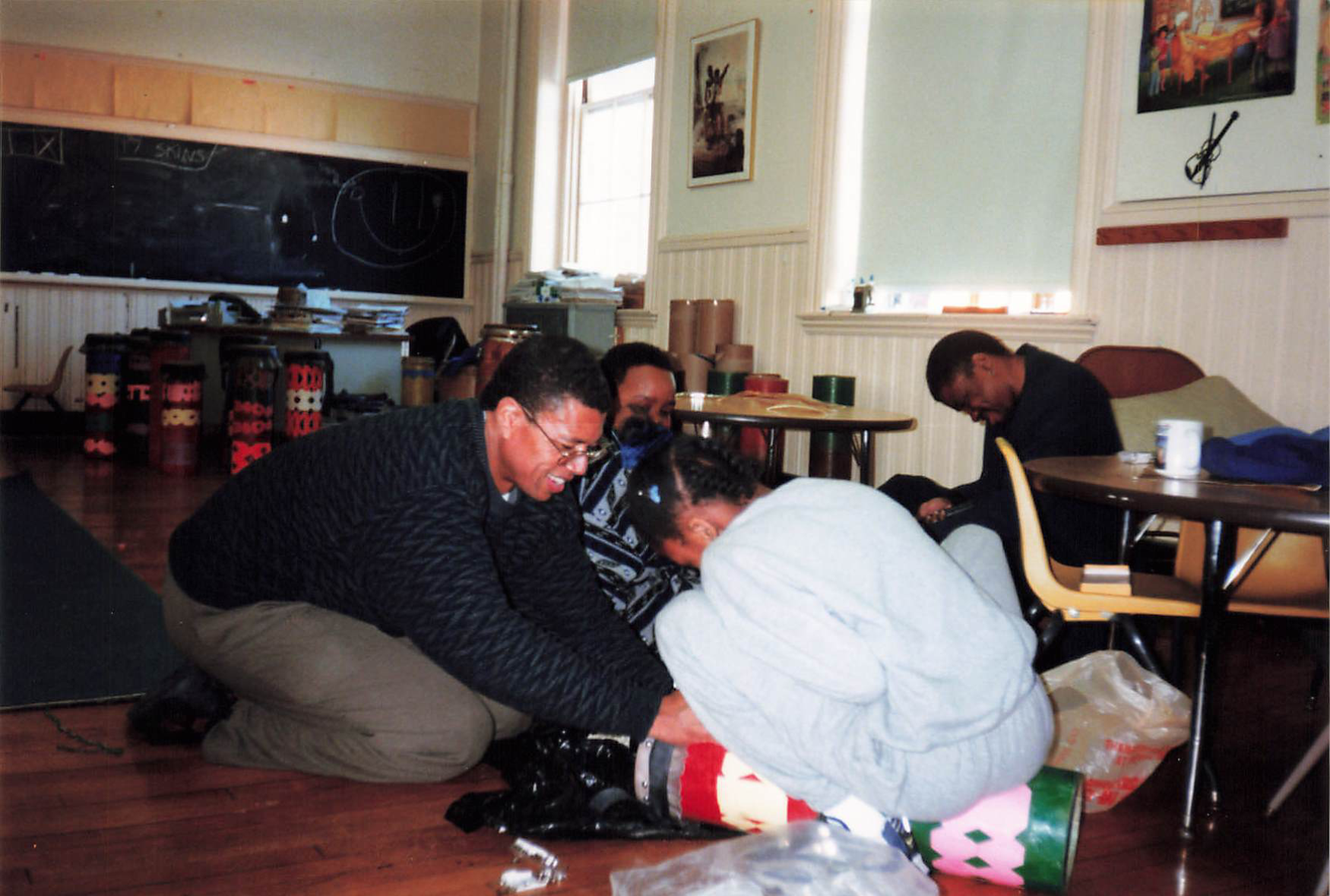
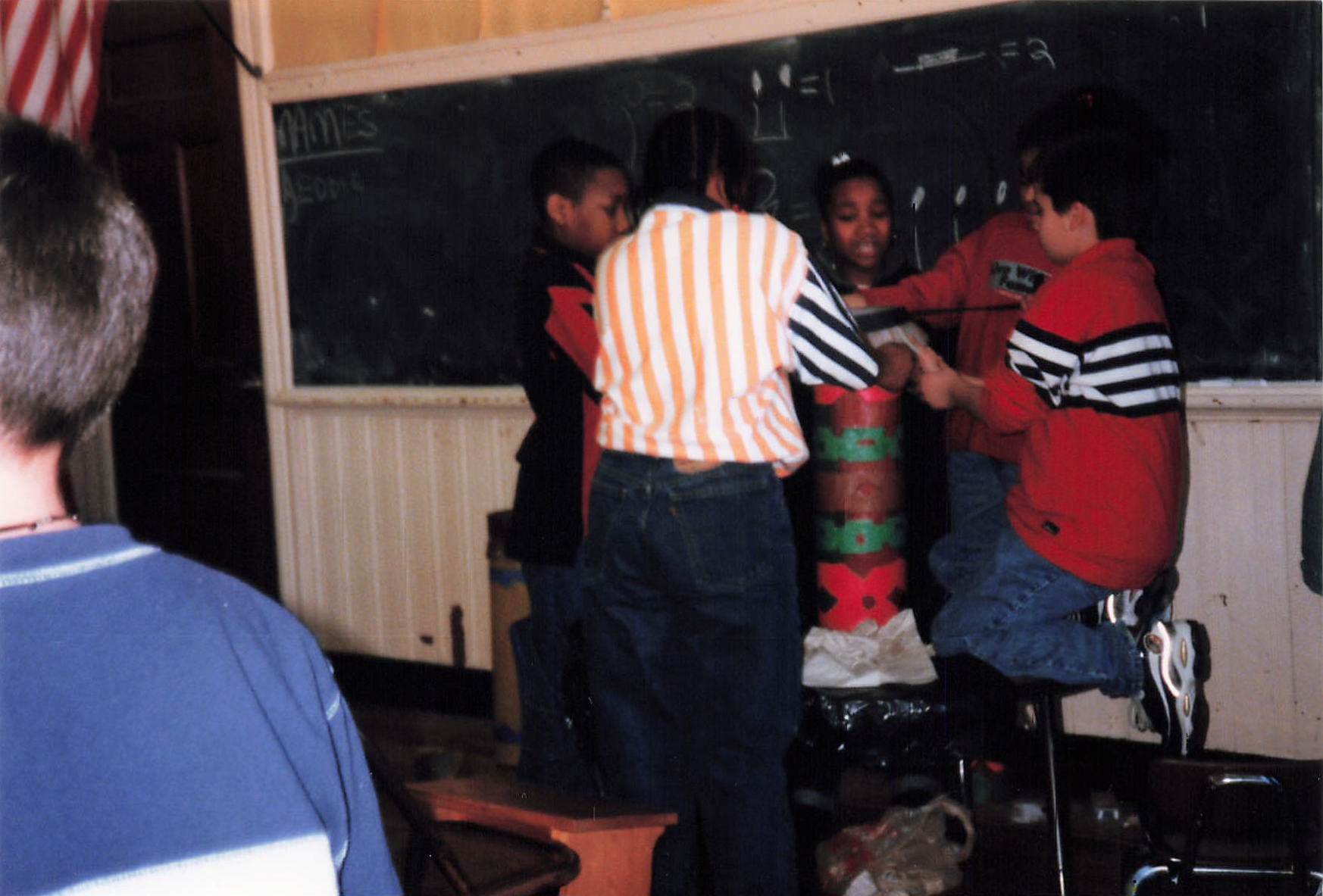
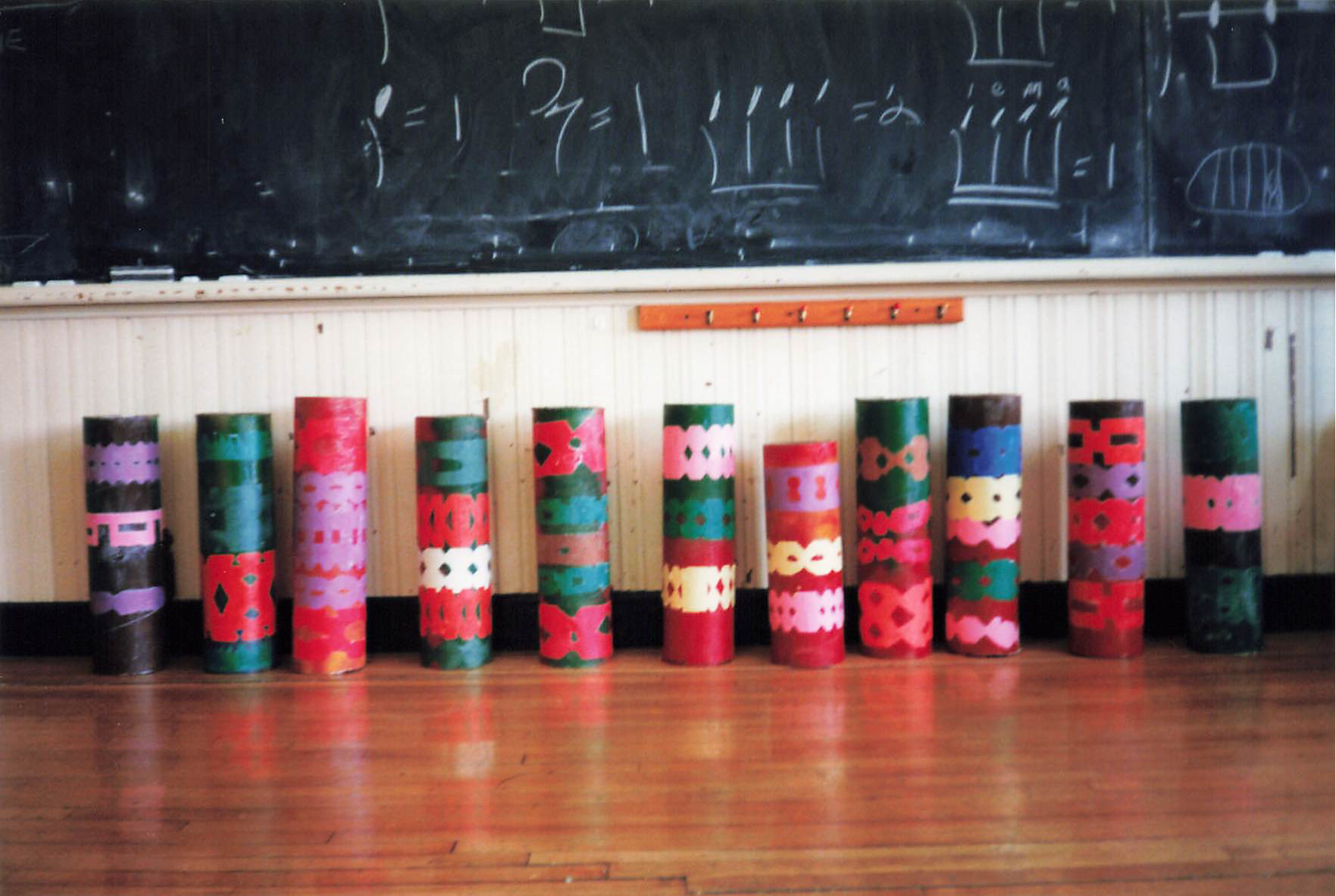
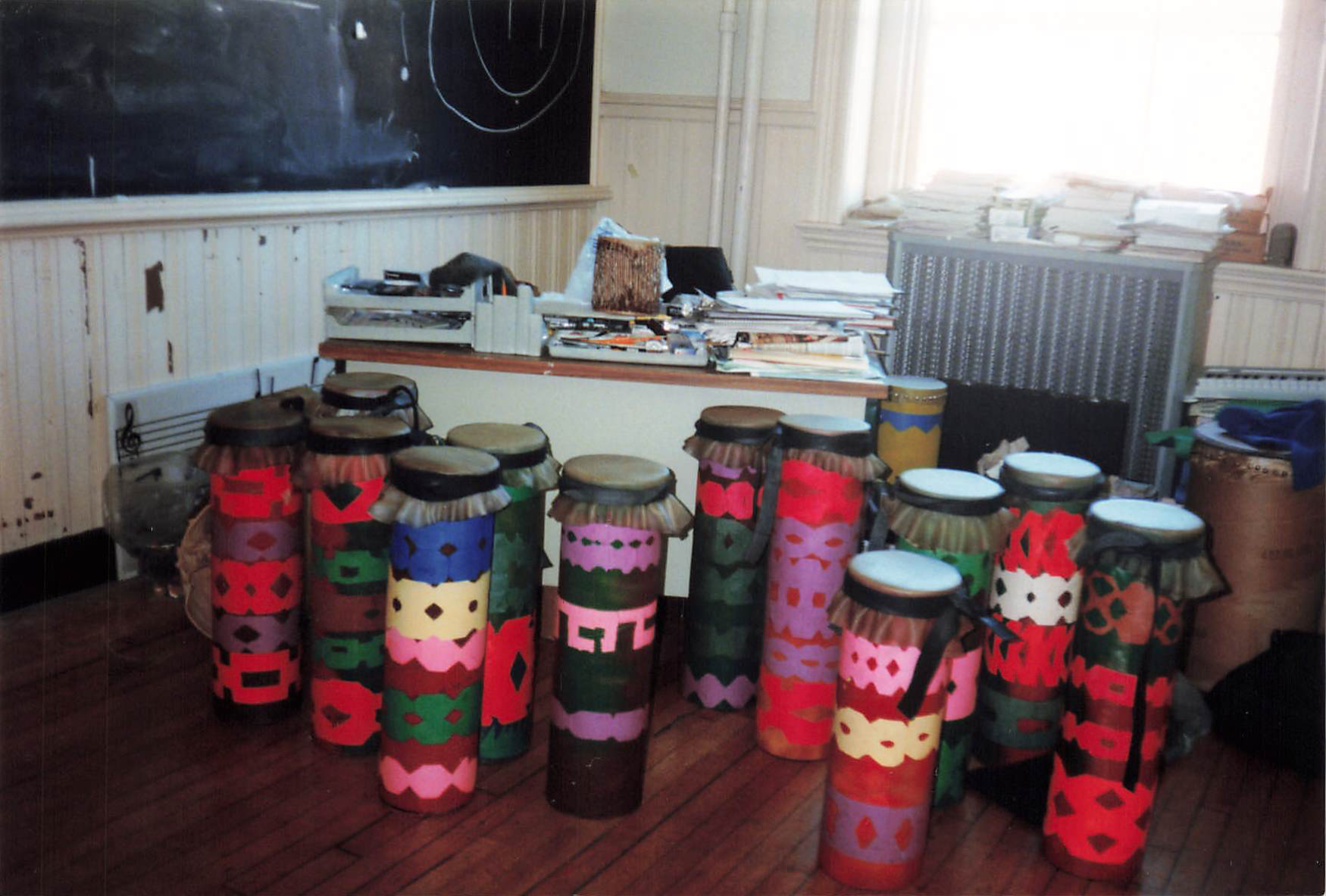
Young Achievers Science and Mathematics Pilot School, 1999 – 2000; “A later noteworthy example of the integrated use of AD&RC lessons and activities occurred at the Boston Public Schools’ Young Achievers Science and Mathematics Pilot School. During the 1999-2000 school year, John co-founded, along with music teacher Atemu Aton, a Rhythm and Mathematics Percussion Ensemble. This provided an opportunity for John to observe how some of the students performed differently in this context in contrast with the formal mathematics classroom setting. Further, John was the Young Achievers fifth grade mathematics teacher at the time. One ensemble exercise involved one student playing a drum pattern, consisting of a motif repeated n (e.g., 5) times with m (e.g., 3) beats appended at the end. The question was posed, “How many times was the drum struck?” To solve the problem, students had to replay the pattern in their minds, determine how many beats were in the motif, account for the number of motif repeats, and the number of beats appended. One of the students in the ensemble, who struggled in the formal math class, could masterfully solve these aural math problems and clearly articulate the steps he followed in solving the problems.”
Listen to the
Sound According to John
Explore a sample
African Drums & Ratios
Lesson Plan